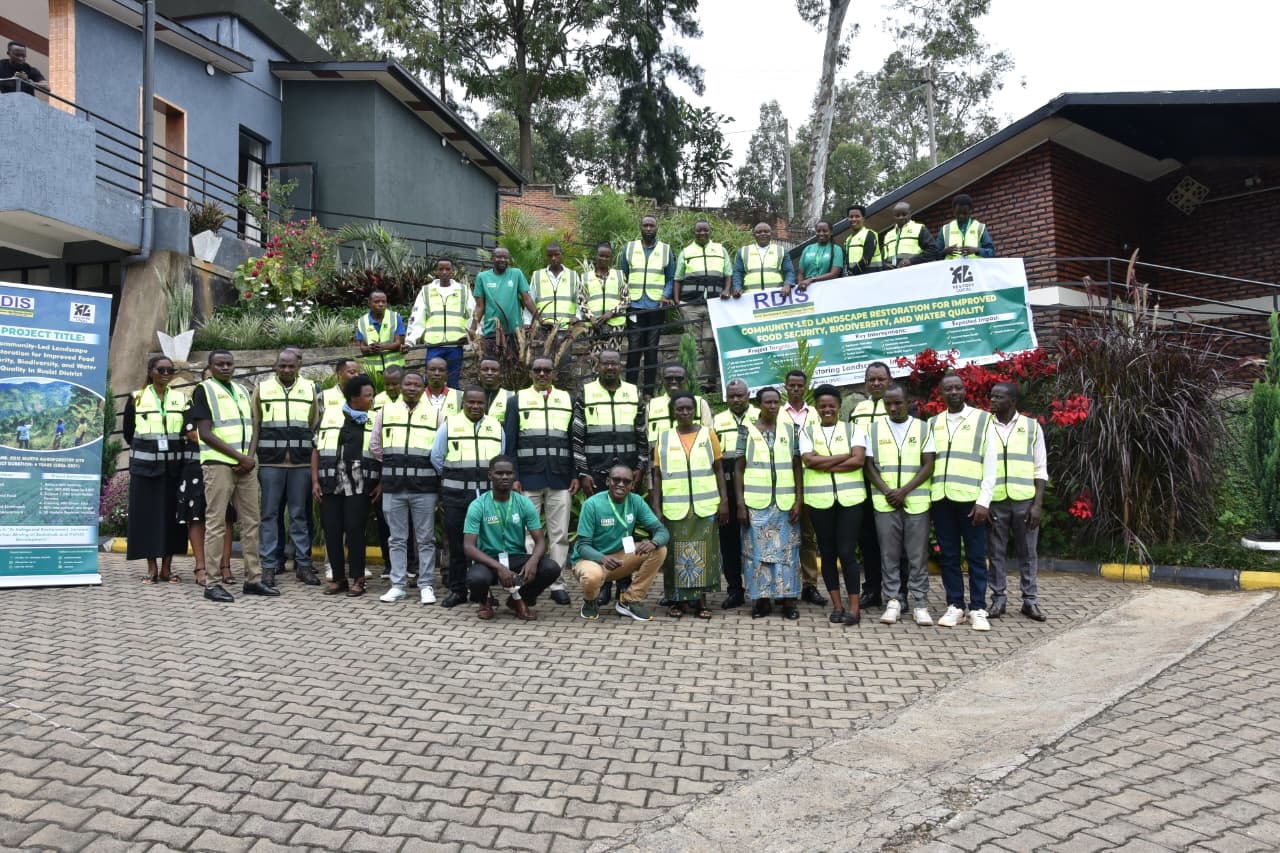
Wednesday , on the 20th May 2026, RDIS has officially launched the “Community-Led Landscape Restoration for Food Security and Biodiversity Improvement” marking a significant step toward environmental restoration, climate resilience, and sustainable community development in Western Rwanda. The project is being implemented in close collaboration with TerraFund partners including World Resources Institute Africa, Realize Impact, Vumbuzi Impact Africa Foundation, and One Tree Planted. The official launch event brought together representatives from Rusizi District, development partners, technical institutions, civil society organizations, local leaders, farmer representatives, and community stakeholders to reaffirm their shared commitment to restoring degraded landscapes while strengthening livelihoods and food security.
Strengthening Partnerships for Sustainable Impact
RDIS emphasized that the successful implementation of the project will rely heavily on continued collaboration with local authorities in Rusizi District and Nzahaha Sector, as well as strong engagement with communities in Murya Cell throughout the entire project cycle.
The organization highlighted the importance of sustaining this partnership during project implementation, monitoring, evaluation, and reporting to ensure long-term impact, accountability, and community ownership.
This collaborative and community-led approach is expected to strengthen local participation, improve coordination among stakeholders, and enhance the sustainability of restoration and livelihood interventions.
Addressing environmental and livelihood challenges
Nzahaha Sector continues to face several environmental and socio-economic challenges, including land degradation, soil erosion, biodiversity loss, declining agricultural productivity, and increasing vulnerability to climate change. These challenges directly affect local communities whose livelihoods largely depend on agriculture and natural resources.
The newly launched project seeks to address these issues through integrated landscape restoration and sustainable livelihood interventions that place communities at the center of decision-making and implementation.
Project Goals and key activities
The project aims to restore degraded landscapes while improving food security, biodiversity conservation, and climate resilience among vulnerable communities in Rusizi District.
Over the course of implementation, the initiative will:
- Restore 605 hectares of degraded landscapes through agroforestry and sustainable land management approaches
- Plant more than 300,000 trees to improve biodiversity and ecosystem resilience
- Strengthen livelihoods and food security for 1,200 smallholder households
- Create 405 green jobs, with particular emphasis on women and youth
- Improve water quality and reduce land degradation within the Rusizi watershed
- Promote agroecology, beekeeping, and climate-smart livelihood opportunities
Key project activities include tree planting, agroforestry systems development, farmer training sessions, and beekeeping initiatives designed to improve both environmental sustainability and household incomes.
The project will directly benefit women farmers, youth groups, smallholder farmers, and community leaders across Nzahaha Sector and surrounding communities.
Alignment with National and District Development Priorities
The “Community-Led Landscape Restoration for Food Security and Biodiversity Improvement” project contributes directly to Rwanda’s broader environmental and development ambitions.
The initiative aligns with:
- Rwanda Vision 2050
- NST2 (National Strategy for Transformation)
- AFR100 Initiative
- Green Growth and Climate Resilience goals
In addition, district representatives at the launch event emphasized that the project is well aligned with the Rusizi District Development Strategy (DDS), particularly in areas related to environmental protection, sustainable agriculture, climate resilience, and community development.
This alignment reinforces the project’s relevance in supporting both national and local development priorities while contributing to sustainable socio-economic transformation in Rusizi District.
Why the Project Matters
The project goes beyond tree planting. It represents a long-term investment in restoring ecosystems, improving livelihoods, protecting biodiversity, and strengthening resilience among vulnerable communities.
Expected outcomes include:
- Improved stakeholder coordination and partnerships
- Enhanced community ownership and participation
- Increased awareness of landscape restoration and climate resilience strategies
- Strengthened commitment to sustainable environmental management practices
- Effective and sustainable implementation of project activities and goals
A Shared commitment to sustainable development
RDIS expressed sincere appreciation to TerraFund, Rusizi District authorities, Nzahaha Sector leadership, technical institutions, development partners, and community members for their continued collaboration and support.
As highlighted during the launch, restoring landscapes is not only about planting trees , it is about restoring hope, strengthening livelihoods, conserving biodiversity, and building resilient communities for future generations.
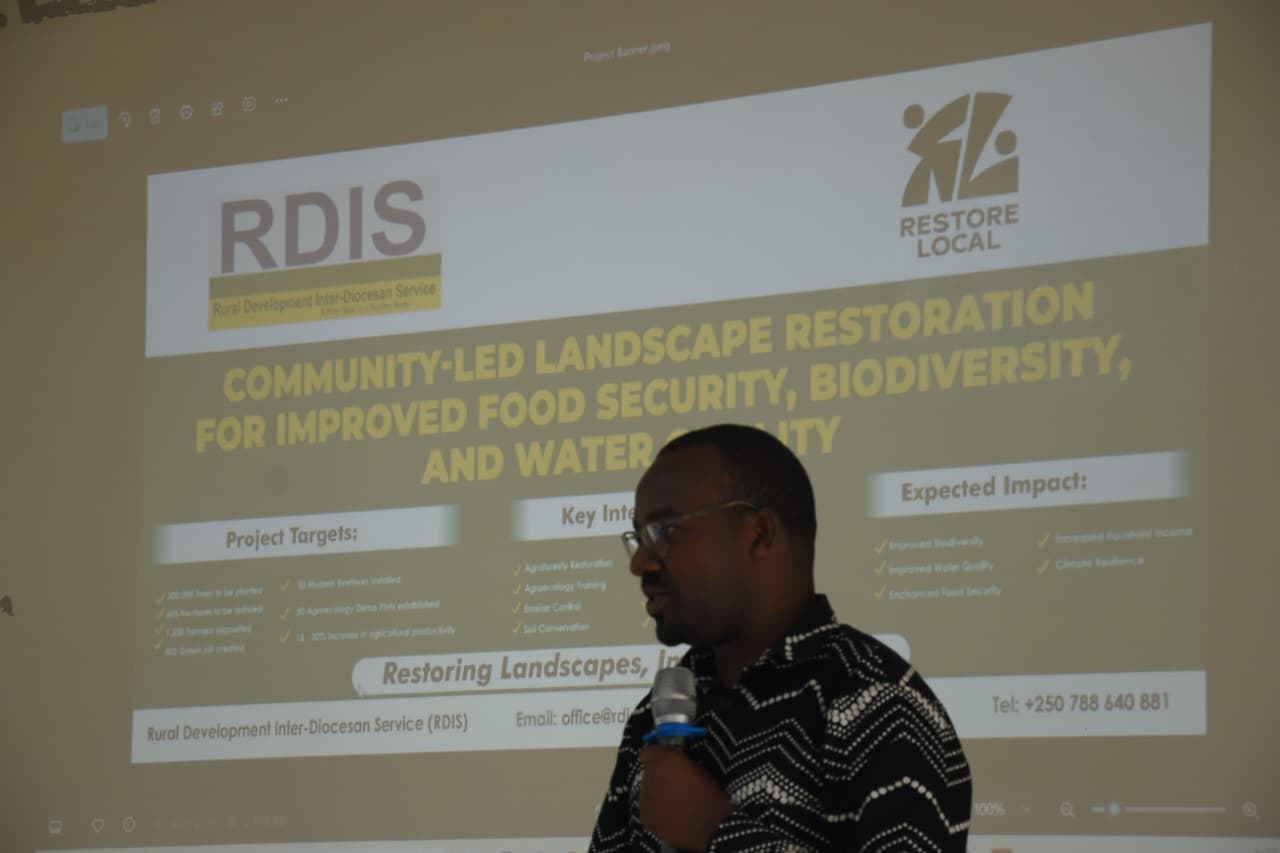
Emile Nyabyenda,Director of Planning , Monitoring and Evaluation(M&E)-Rusizi DIstrict
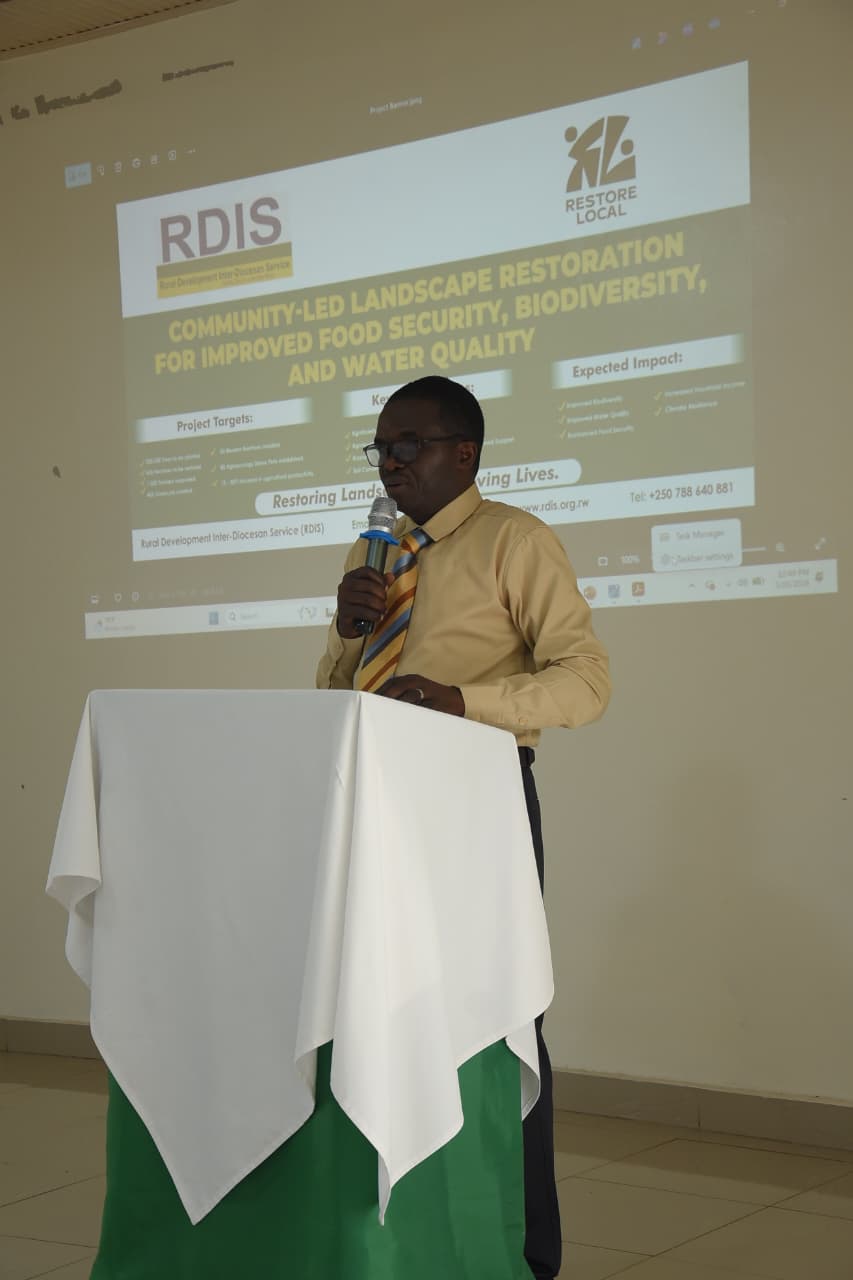
RDIS Executive Director, Pastor Viateur Ntarindwa
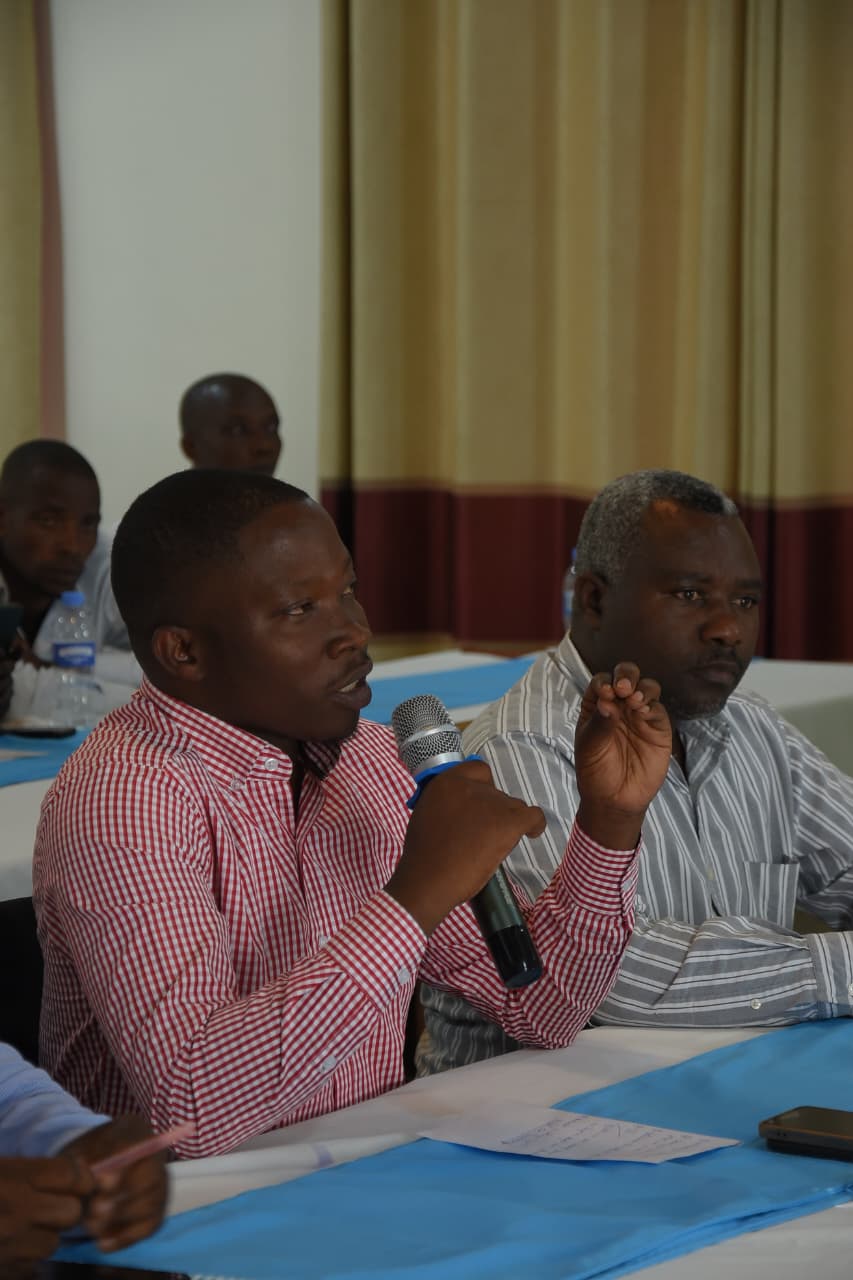
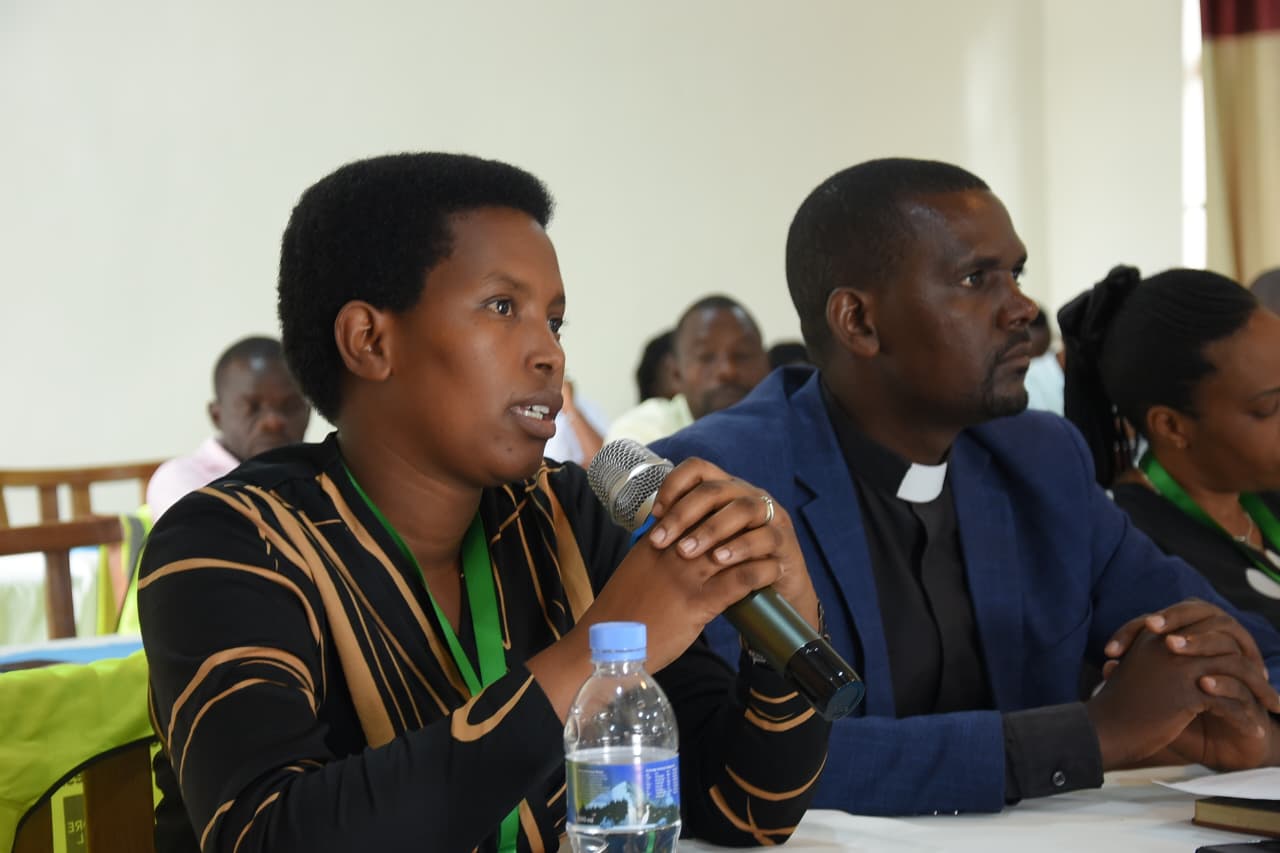
Participants and stakeholders contributed to discussions on the project to be implemented